

 Water damage drying
 Fire & smoke cleanup
 Mold remediation
 Storm response
 Sewage cleanup
 Reconstruction
Free visual inspection and a written scope of work before any mitigation begins - photos, moisture readings, and drying logs go in your claim file
The scope we write is the scope we bill. Anything new gets shown to you, in writing, before we touch it.
Get your free estimateFast, Reliable Mold Remediation Across West Village
Mold remediation in West Village typically costs $1,800 – $6,500 for a contained removal in a pre-war apartment or townhouse, with inspection and testing adding $350 – $700. Most jobs in the neighborhood take two to five days once containment is set. If you smell something musty near Bank Street, Hudson Street, or West 4th, call (845) 932-0769 and a live person answers, day or night. We know these buildings, we know the LPC rules, and we’ll tell you exactly what we found and what it costs before any wall is opened.
Why Marsh Water Damage New York Is West Village’s Preferred Mold Remediation Company
Our Mold Remediation crews work inside West Village co-ops, rentals, and townhouses every week, and we know what these pre-war buildings do when water sits behind plaster. We do not show up to hand you a brochure. We show up with a written scope, a named technician, and equipment sized for landmarked interiors, because over-ventilating a 1890s parlor floor creates its own problems. Tobias Reyner leads our technical team, and he has spent years working through the exact complications that West Village buildings throw at a restoration crew.
Every technician who walks into a West Village building is background-checked, identity-verified, and sent to you by name and photo before the visit. Then they show a photo ID badge at the door, every time. That is the Threshold Verified standard, and it exists because letting a stranger into a landmarked home is a reasonable thing to feel cautious about. We answer the phone with a person, not a callback queue. If a repair fails within 365 days, we return and fix it, free of charge. It is printed on the work order.
Restoration work we handle
Mold Removal Service in West Village
Mold Removal Service in West Village almost always means dealing with what is behind the wall, not just what is on it. Original plaster-over-lath construction, tin ceilings, and a century of layered paint create exactly the kind of trapped moisture that lets mold grow unseen. When you call us for mold removal here, we do not just wipe visible spots. We map the moisture, contain the affected rooms, and remove the material that is feeding the colony, then verify the air with post-remediation testing.
Containment and Controlled Demolition
In a West Village landmarked building, you cannot simply knock out a wall and let spores drift into the hallway. We set negative air containment on each affected floor, seal doorways and air returns, and run HEPA-filtered air scrubbers so dust and spores never travel through shared stairwells. Demolition is controlled, not exploratory. We remove only what testing says is wet or colonized, and we document every layer we open.
Post-Removal Verification
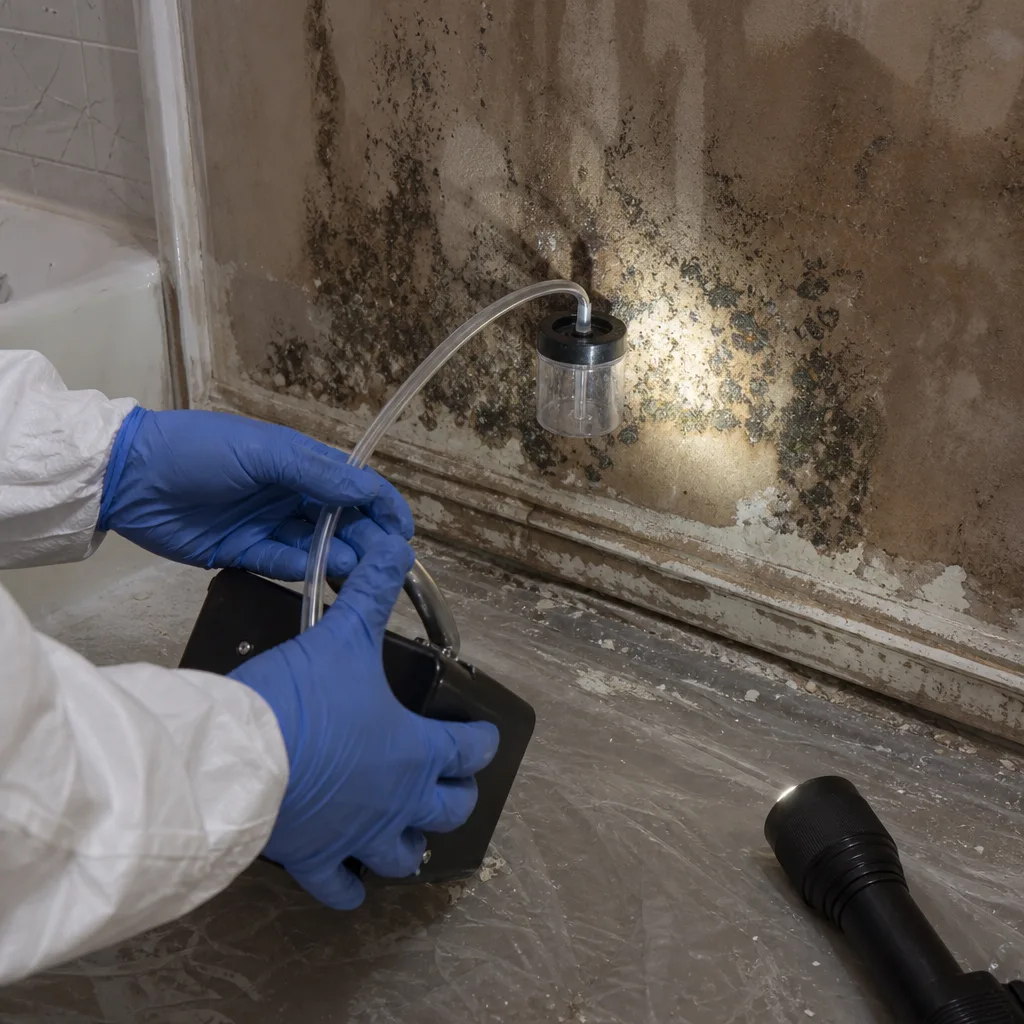
Removal is not the finish line. We take air samples before and after, compare spore counts to outdoor baseline levels, and give you a written clearance report. In West Village buildings, where a neighbor’s insurance adjuster may ask for proof, that report matters. If the air is not clean, we keep working until it is. No vague assurances. Just numbers.
Mold Remediation Services in West Village
Mold Remediation Services in West Village go beyond removing surface growth. The job is to find out where the water came from, remove what the mold has colonized, dry the structure to a standard that will not regrow, and leave you with written proof. That means tracing a bathroom exhaust leak, a failed radiator valve, or a neighbor’s shower pipe, then fixing the moisture source before treating surfaces. We handle the full sequence, not just the cleanup.
Air Quality Restoration
After removal, the air in a West Village apartment often carries higher spore counts than the wall cavities we opened. We run HEPA air scrubbers and, where the building allows, dehumidifiers to pull airborne particles out and keep humidity below 55 percent. In pre-war units without exterior venting, we route exhaust carefully through interior spaces so we do not violate LPC facade restrictions while still moving air.
Moisture and Humidity Control
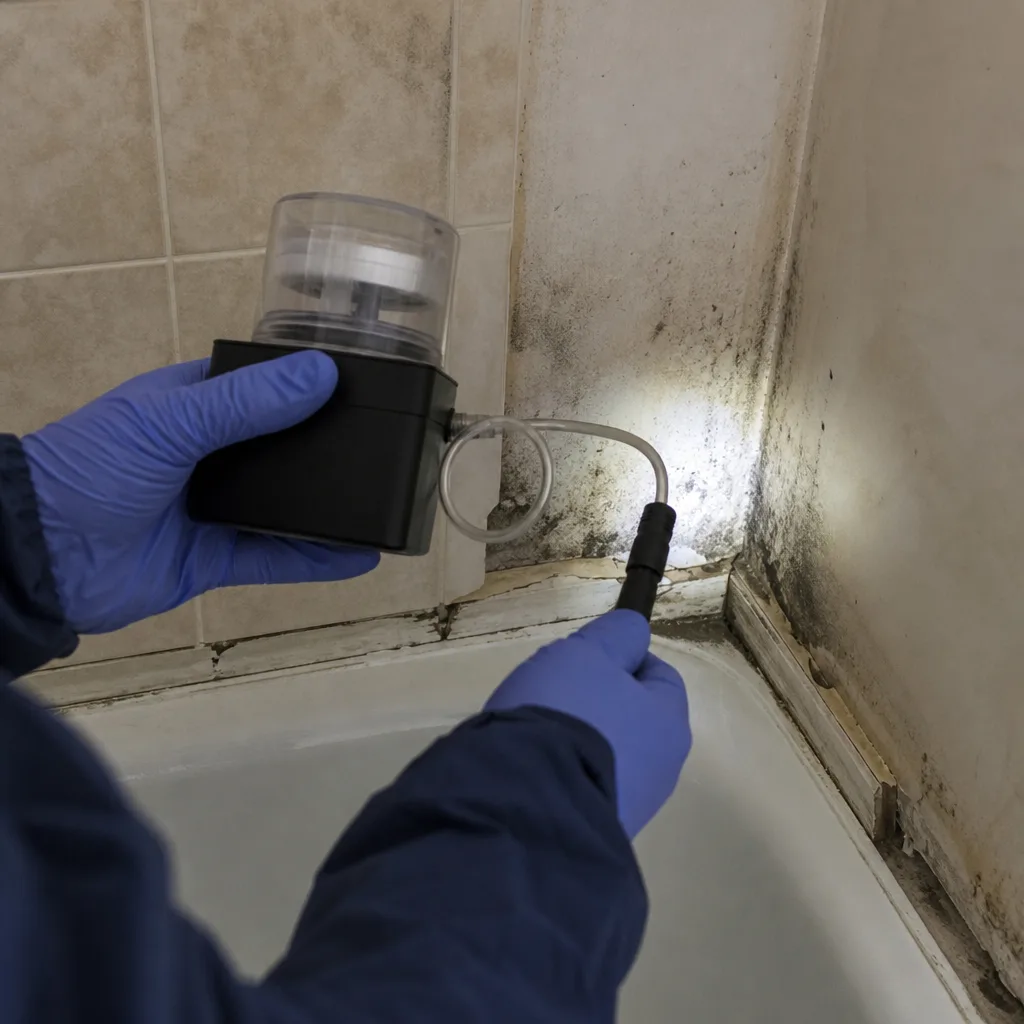
One of our most common West Village follow-ups is a humidity control plan. A basement garden apartment near the Hudson River sits in a moisture environment that inland apartments never see. We install or recommend dehumidifiers sized for the square footage, map recurring damp spots, and give you an honest answer about whether a vapor barrier, improved drainage, or a better exhaust fan is the real fix. Some buildings need all three.
What happens when you call
- 1
A real person answersNo phone trees - you reach a local pro.
- 2
You get an upfront price rangeHonest numbers before anyone is dispatched.
- 3
A background-checked tech heads outLicensed & insured, dispatched right away.
- 4
You approve before work beginsNothing starts until you say go.
Trusted Brands We Service in West Village
We run Dri-Eaz and Phoenix dehumidifiers, XPOWER air movers, and B-Air scrubbers on West Village jobs, and our technicians hold IICRC and RIA credentials. Those certifications are not wall decorations. They mean our crews have trained on the exact equipment and drying science that commercial restoration demands. When a Bank Street co-op board asks what equipment we are bringing into a landmarked building, we can name the units and the moisture readings we are targeting. That specificity tends to end the conversation quickly.
See the difference
 Before
 After
After Before
 After
After Before
 After
AfterCommon Mold Remediation Problems We See in West Village Homes
- Hidden growth behind original plaster and lath. Water wicks into horsehair plaster and saturates wood lath, and the mold grows inside the cavity for weeks before anyone sees a stain. By the time a musty smell appears, wall removal is the only real option.
- Radiator and steam-pipe leaks cascading downward. A burst feed line on a top floor will run down four stories inside wall chases, spreading moisture into multiple units and through party walls before anyone knows there is a leak.
- Low-lying basement flooding during nor’easters and heavy rain. Streets near the Hudson River back up, and sewer water enters basement utility rooms where old brick and timber soak up contaminated moisture. That is Category 3 water, and it requires full antimicrobial treatment, not just drying.
- Facade restrictions that complicate drying. The LPC can prevent us from placing exhaust ports through a landmarked facade. We route airflow through interior spaces instead, which takes longer and requires careful humidity monitoring to avoid creating a new mold problem in an adjacent room.
Pricing for Mold Remediation in West Village, NY
Mold inspection and testing in West Village runs $350 – $700, depending on how many air samples we pull and whether lab analysis is needed. A contained mold removal in one room or closet typically lands between $1,800 and $3,500. Full remediation after a top-floor pipe break or sewer backup, with multi-floor containment, pack-out, and structural drying, ranges from $4,000 to $6,500 or more in larger units. The factors that move the price are square footage, how many floors are affected, whether plaster or tin ceilings need controlled removal, and whether the LPC requires documentation before and during the work. We give you a written price before any wall is opened. Call (845) 932-0769 for a free estimate, and we will tell you honestly whether this is a two-day containment or a two-week pack-out.
In the West Village, many landmarked pre-war buildings have original plaster-over-lath walls and tin ceilings that trap moisture behind them, so mold often grows unseen for weeks before a musty smell reveals it. That reality changes everything about how we approach remediation here. Surface cleaning is rarely the answer in these buildings. The mold is inside the wall cavity, feeding on wood lath and the paper facing of old plaster, and it spreads through shared party walls before any stain shows on your side. We set containment, remove the saturated material under controlled conditions, and coordinate with the Landmarks Preservation Commission when we are working in a regulated interior. A generic mold company that treats this like a suburban drywall job will either miss the growth behind the plaster or open a wall in a way that violates your building’s landmark status. Neither outcome is acceptable. This page explains how mold remediation works specifically inside West Village pre-war landmarked buildings, where LPC rules, original plaster and tin ceilings, and tight access demand containment and drying strategies you will not find on a generic mold page.
Our crew was called to a top-floor unit on Bank Street after a radiator feed line burst, sending clean water down through four floors of original lath and plaster. We set containment on each level, used moisture mapping to find every wet cavity, and ran structural drying with Dri-Eaz dehumidifiers and air movers sized to the building’s lack of exterior venting. We coordinated with the LPC to save the 1890s crown molding while removing saturated plaster. Final moisture readings showed the joists dry in five days, and no mold was found behind the historic tin ceiling. That is the standard we bring to every West Village job.
We Also Serve Cities Near West Village
Our crews serve West Village and the surrounding boroughs, including New York, Manhattan, Long Island City, and the Upper East Side. If your building sits just outside the neighborhood boundary, call us. We will tell you whether we can help directly or refer you to a team that serves your block.
Serving West Village, NY - Our Local Coverage Area
We’re based in the West Village area and know this community well. Use the map below to see our service coverage - if you’re nearby, we can almost certainly help.
FAQs About Mold Remediation in West Village
The LPC regulates changes to protected building features, including interior work in some designated interiors. For mold remediation, this means we document existing plaster profiles, molding profiles, and tin ceiling patterns before removing material, and we coordinate with your building’s architect or expediter if permits or LPC sign-off are required. We do not start demolition in a landmarked building until that path is clear. Call (845) 932-0769 and we will walk you through what applies to your specific building.
Yes, and it happens more often than people want to believe. In West Village pre-war buildings, party walls are often brick or plaster over wood studs, with continuous cavities that allow airborne spores and moisture to travel between units. If a top-floor radiator line bursts and water saturates a wall chase, mold can colonize a neighbor’s side before anyone in the affected unit sees a stain. Multi-unit containment and moisture mapping are the only reliable response. Contact us early; the longer water sits in a shared wall, the wider the remediation becomes.
Category 1 is clean water from a supply line or radiator. Category 2 is gray water from appliances or sump pumps. Category 3 is contaminated water, including sewage and street water that backs up during heavy rain. In a West Village basement apartment near the Hudson River, sewer backups during storms are a known risk, and any Category 3 event requires full antimicrobial treatment, removal of porous materials, and air scrubbing before the space is safe to reoccupy. If in doubt, do not dry it yourself. Call us and we will tell you what category you are dealing with.
Do not wait. In a pre-war building with plaster and wood lath, mold can establish itself within 48 to 72 hours of a water event, especially in warm months. The longer water sits, the larger the affected area and the more material must be removed. Waiting also increases the chance that spores migrate through party walls into neighboring units, which turns a one-unit problem into a multi-unit claim. Call (845) 932-0769 the day you see the leak. We will assess within hours in most West Village locations.
Our drying setups are routed through interior spaces whenever the LPC or building rules restrict facade penetrations. We do not install exhaust ports on a landmarked facade without clearance, and most of our West Village jobs never touch the outside of the building. Street permits are generally not needed for our equipment because we carry units in through the building entrance and run them inside. We confirm building access rules before we arrive, so you are not surprised by a co-op board objection.
Written by Tobias Reyner, Owner at Marsh Water Damage New York, serving West Village since 2005.