

 Water damage drying
 Fire & smoke cleanup
 Mold remediation
 Storm response
 Sewage cleanup
 Reconstruction
Free visual inspection and a written scope of work before any mitigation begins - photos, moisture readings, and drying logs go in your claim file
The scope we write is the scope we bill. Anything new gets shown to you, in writing, before we touch it.
Get your free estimateRestoration Company in West Village, NY
When water, mold, or storm damage hits a West Village townhouse or apartment, the response has to account for something most restoration companies don’t deal with: buildings from the 1830s, original plaster and tin ceilings, and Landmarks Preservation Commission rules that govern what can be touched and how. We’re Marsh Water Damage Restoration, and we work in the West Village every week. Our home base coordinates dispatch from the brand’s New York City office, so a live person answers when you call (845) 932-0769, and the crew that shows up arrives with a written price in hand before any work starts. West Village restorations are slower, more careful, and more regulated than most of the city. That’s the job, and we’re built for it.
Why West Village Homes Are Different
West Village housing stock is mostly 1830s through 1930s brick and brownstone townhouses and small walk-up apartment buildings. Original wood joists, plaster over lath, and tin ceilings are common, which means a water event isn’t a drywall-and-paint job. Plaster holds moisture differently than drywall, wood joists in pre-war buildings often sit directly against masonry, and drying takes longer when centuries-old materials are involved. Renovations over the years frequently conceal the original plumbing, so a failed pipe can burst inside a wall and run through three or four floors before anyone notices. We regularly see damage that started on the top floor and cascaded down through original plaster ceilings and wood floors below.
Then there’s the Landmarks Preservation Commission. Many West Village facades and interiors fall under LPC jurisdiction, and restoration work on historic moldings, cornices, or window surrounds may require LPC review. A restoration that ignores that can create a legal problem that outlasts the water damage. Coastal weather adds its own pressure: nor’easters, occasional hurricanes, and freeze-thaw cycles stress old masonry and flat roofs, and sewer backups during heavy rain are a known risk in low-lying West Village streets. Add in shared party walls, and a fire or water event in one unit often becomes a multi-unit problem. Tight streets and limited staging space make equipment placement a puzzle in itself.
Restoration work we handle
Our Main West Village Services
Three restoration services carry most of the load in the West Village, and each has its own dedicated page with pricing, timelines, and specifics for this neighborhood.
Water Damage Restoration in West Village
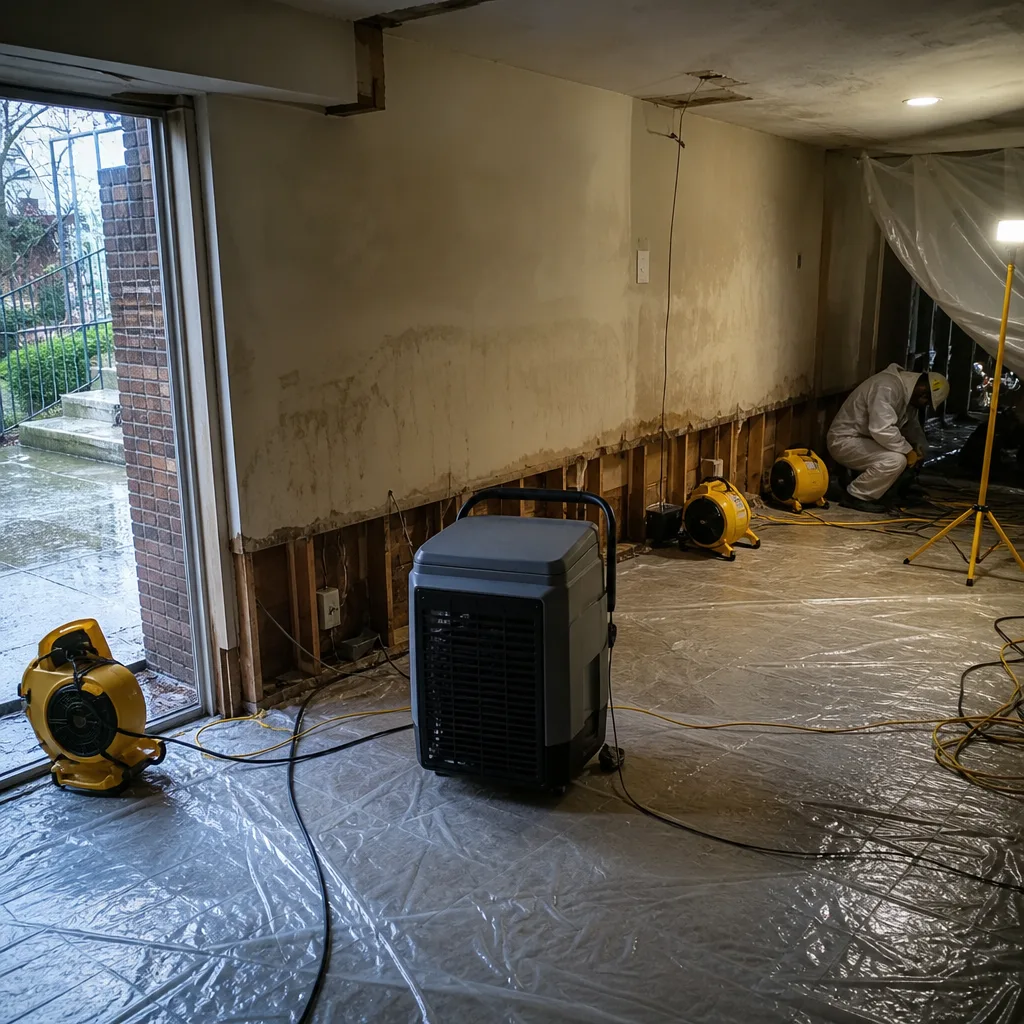
Burst radiator pipes, failed supply lines behind original plaster, and sewer backups are the calls we know best in the West Village. The job starts with extraction, then moves into psychrometric readings (measuring the moisture in the air) to track how quickly plaster, wood joists, and subflooring are drying. In pre-war buildings, we often find water that traveled far beyond the visible stain, which means drying equipment from Dri-Eaz, Phoenix, and XPOWER has to run longer and in more rooms than a typical drywall home would need. If the damage touches historic moldings or LPC-protected finishes, the approach shifts accordingly. Full details on cost and the process are on the dedicated Water Damage Restoration in West Village page.
Mold Remediation in West Village
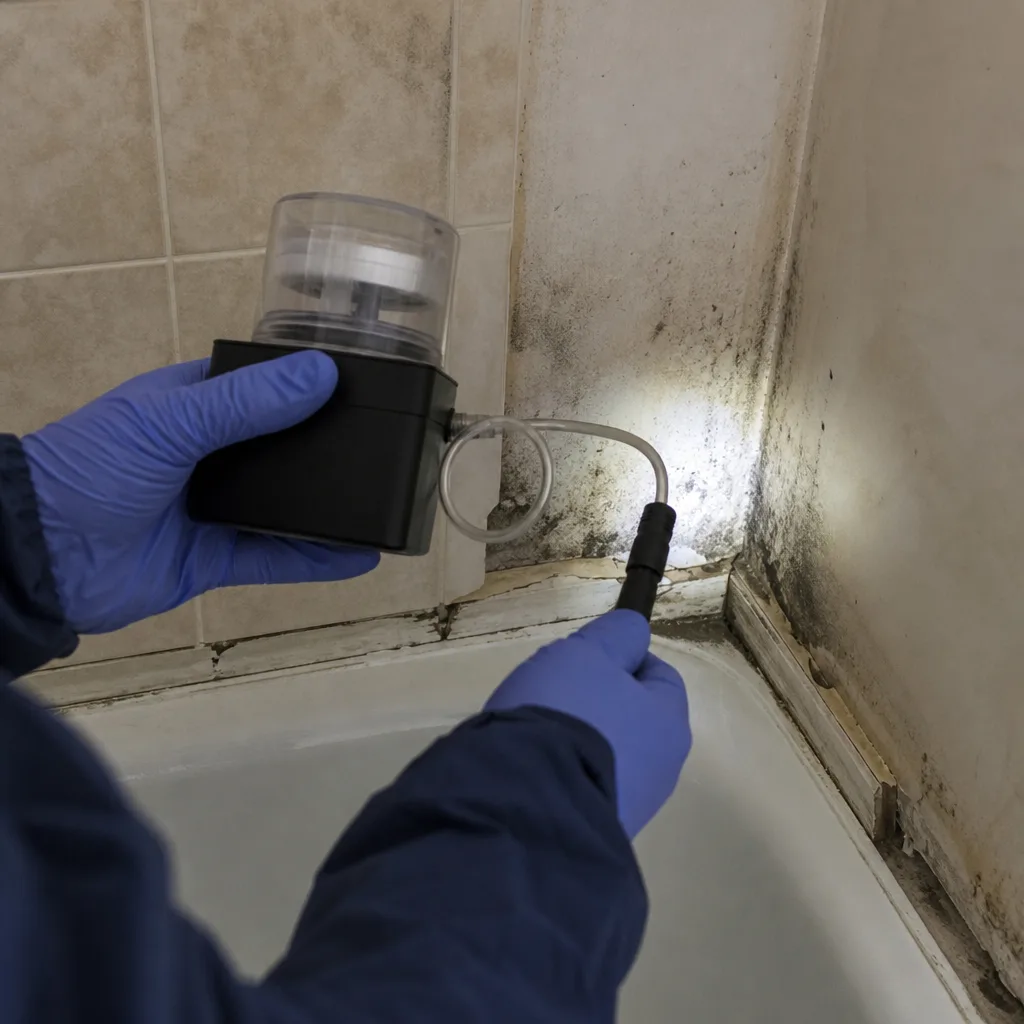
Mold in the West Village is usually a slow leak behind a wall, a damp basement, or condensation in a bathroom with no ventilation. Pre-war construction creates cavities behind plaster and lath where moisture sits undisturbed, and that’s exactly where mold takes hold. Our approach follows IICRC and RIA protocols: contain the affected area, remove the contaminated material, clean what can be saved, and dry everything to a standard that prevents regrowth. In occupied multi-unit buildings, containment is especially important because mold spores can travel through shared walls and floor assemblies. Get the full breakdown on the Mold Remediation in West Village page, including what mold testing covers and what it costs.
Storm Damage Restoration in West Village
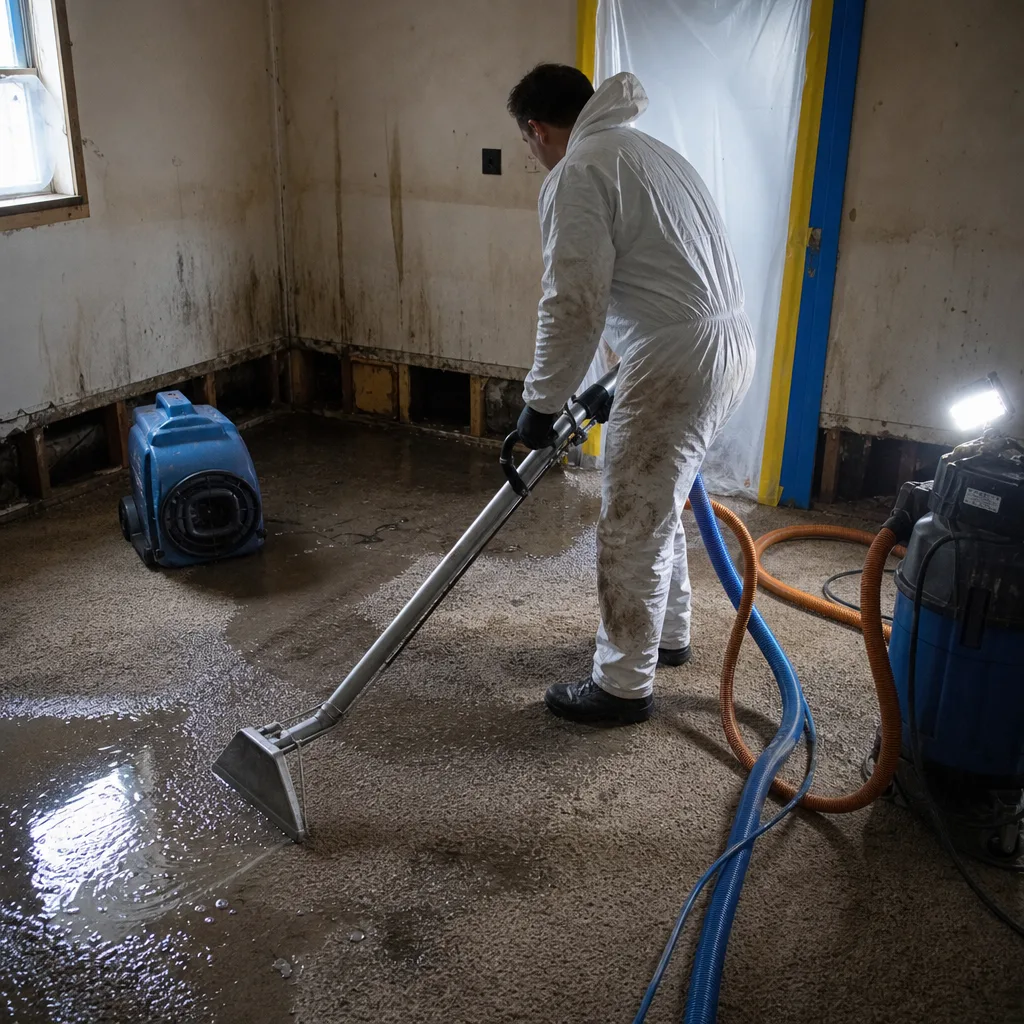
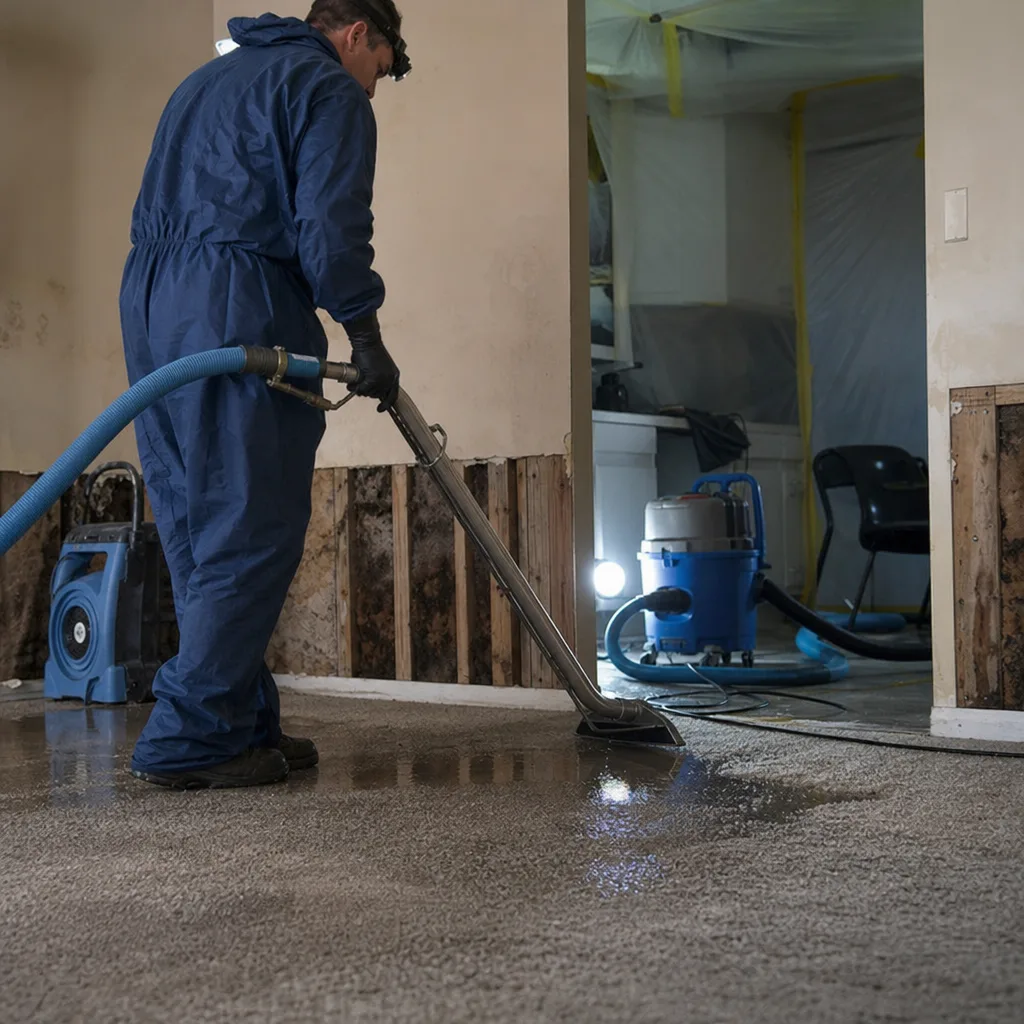
Nor’easters and heavy coastal rain hit West Village roofs, skylights, and basement-level units hard. Water comes through flat roofs, around aging window frames, and up through floor drains when the sewer system backs up. Storm response in the West Village means securing the building quickly, extracting standing water, and setting drying equipment while we assess what’s salvageable. Flat roofs on older buildings often fail slowly, so what looks like a sudden leak is usually a long-developing problem that finally gave way in the storm. For timelines, costs, and what to do in the first hour, see the Storm Damage Restoration in West Village page.
What happens when you call
- 1
A real person answersNo phone trees - you reach a local pro.
- 2
You get an upfront price rangeHonest numbers before anyone is dispatched.
- 3
A background-checked tech heads outLicensed & insured, dispatched right away.
- 4
You approve before work beginsNothing starts until you say go.
Brands We Service in West Village
We run professional restoration equipment from B-Air, Injectidry, Dri-Eaz, and Phoenix, and our technicians carry IICRC, RIA, and IFA credentials. The gear that shows up for a West Village job is the same commercial-grade equipment used on large losses, sized for residential access. See our brands for the full equipment list.
See the difference
 Before
 After
After Before
 After
After Before
 After
AfterPricing for Restoration Company in West Village, NY
| Service | Typical range in West Village |
|---|---|
| Water extraction only (before drying) | $1,000 – $2,400 |
| Water damage restoration with drying | $2,600 – $6,000 |
| Sewage cleanup and sanitation | $4,000 – $9,000 |
| Mold inspection (visual + moisture mapping) | $250 – $450 |
| Mold air testing | $300 – $600 |
| Mold remediation (contained area) | $1,800 – $4,500 |
| Mold remediation (whole room or basement) | $4,000 – $9,000 |
| Storm water extraction and drying | $2,800 – $6,500 |
| Roof tarping (temporary, weather-secure) | $500 – $1,400 |
| Debris removal after storm damage | $700 – $2,200 |
Prices in the West Village run higher than the citywide average when LPC compliance adds time to the job, when access requires a lift or extended hose runs from a truck that can’t park close, or when restoration involves matching historic materials. Every Marsh job carries a written price before any work begins, a written guarantee, and a free second visit if the repair fails, all under the 365-Day Done Right Promise.
Neighborhoods We Serve in West Village
Our crews work throughout the West Village, from the blocks around Abingdon Square to Hudson Street, Bank Street, and the far west side near the Hudson River Greenway. Response is typically within 60 to 90 minutes for emergency water and storm calls anywhere in the neighborhood.
- Abingdon Square area
- Bank Street and the historic blocks around it
- Hudson Street corridor
- Far West Village near the Hudson River
- Christopher Street area
Service Area – Cities Near West Village
Beyond the West Village, our crews serve surrounding Manhattan neighborhoods and nearby boroughs. If your building is across the border, the same Threshold Verified protocol applies. See our pages for New York, NY, Manhattan, NY, Long Island City, NY, and Upper East Side, NY.
Serving West Village, NY - Our Local Coverage Area
We’re based in the West Village area and know this community well. Use the map below to see our service coverage - if you’re nearby, we can almost certainly help.
FAQs About Restoration Company in West Village
For water and storm emergencies, we usually arrive within 60 to 90 minutes anywhere in the West Village. Non-emergency mold inspections and estimates are scheduled at your convenience, often within one to two days. Call (845) 932-0769 and a live person confirms the arrival window right then.
Sometimes, yes. If your building is LPC-designated or in a historic district, work on visible facades, cornices, or interior moldings may require LPC review. We handle the paperwork and coordinate with your building management or HOA. Damage to non-visible structural areas usually proceeds without LPC involvement.
In multi-unit West Village buildings, yes, most boards and HOAs want to know about restoration work, especially anything touching shared walls, risers, or building systems. We provide a written scope of work for management, and we coordinate access so the job doesn’t stall at the door.
Every Marsh technician follows the Threshold Verified standard: background-checked, identity-verified, and sent to you by name and photo before the visit. At the door, each tech shows a photo ID badge, every time. You know exactly who is entering your home before you open the door.
If you’re dealing with water, mold, or storm damage in the West Village, call (845) 932-0769 for a free estimate and a written price before any work begins. A live person answers, day or night, and the crew that arrives is the crew we told you about in advance.
What happens when you call
- 1A real person answersNo phone trees - talk to a local damage restoration pro.
- 2You get an upfront price rangeHonest numbers before anyone is dispatched. No surprises.
- 3We come out and measureLicensed & insured, at a time that suits you - the visit and the quote are both free.
- 4You get the price in writingLine-itemed, yours to keep, and nothing starts until you say go.
What West Village Customers Say
"Good job overall. Equipment noise was loud at night, but they explained why it was needed. Dried out fully and passed the final reading."
- Carla J."They explained the whole drying plan on paper first, and the estimate matched the invoice. Pulled wet baseboards and cut out only what was needed."
- Terrence H."Dishwasher leak had gone under the kitchen floor. They found it with a thermal camera and dried it without ripping up everything."
- Helen B.